


1 /8
2 /8
3 /8
4 /8

5 / 8

6 / 8
7 / 8
8 /8
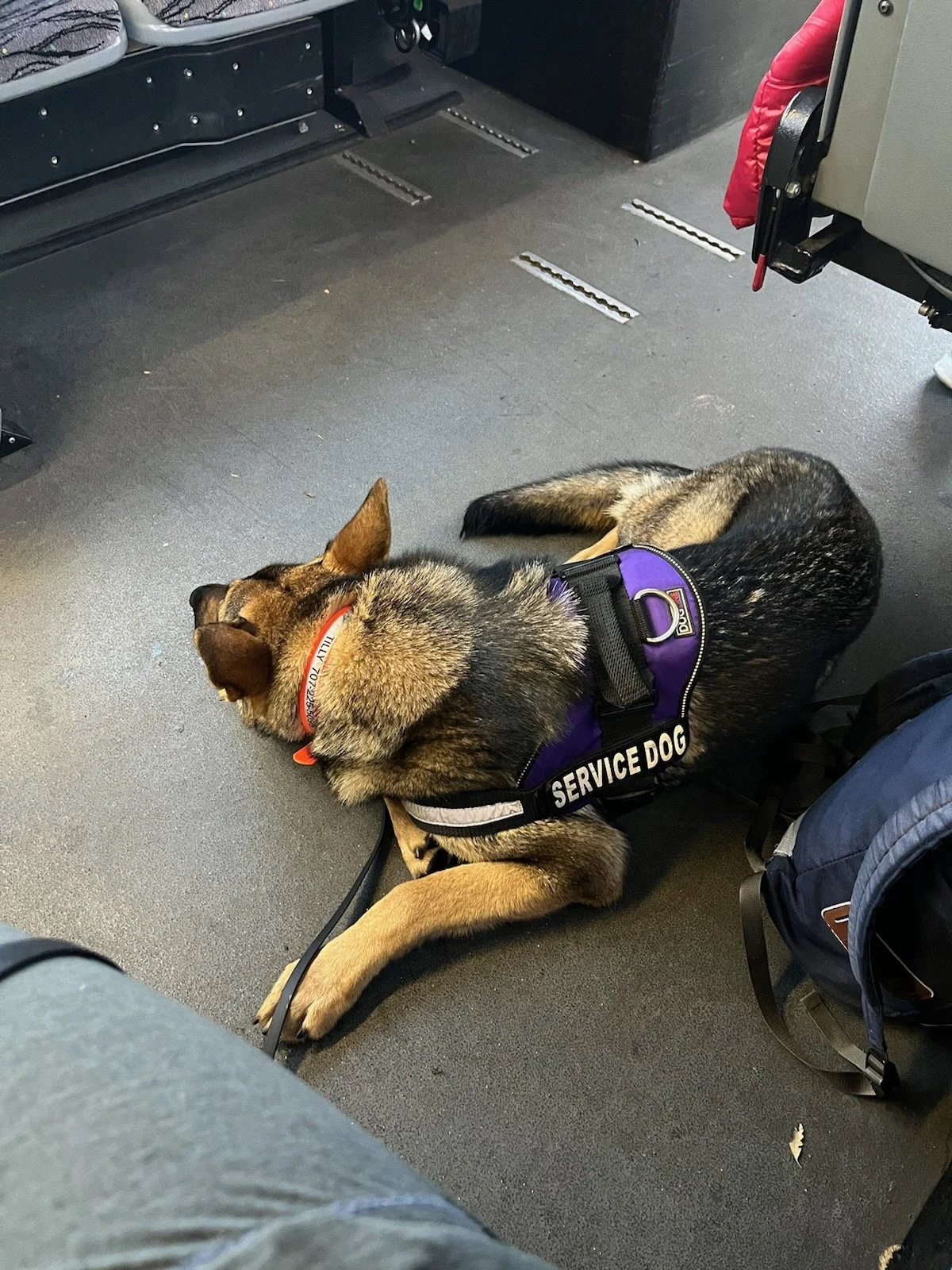
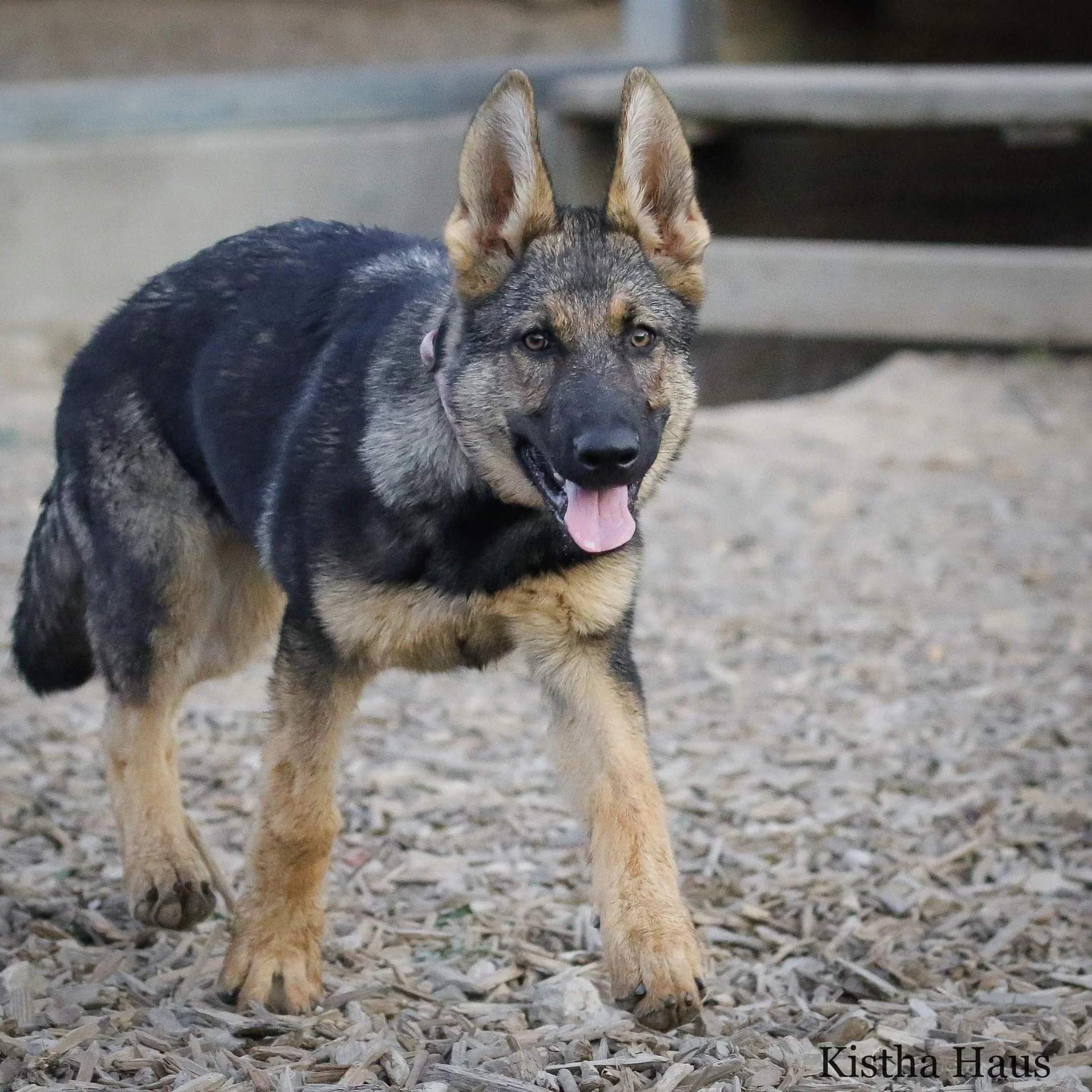
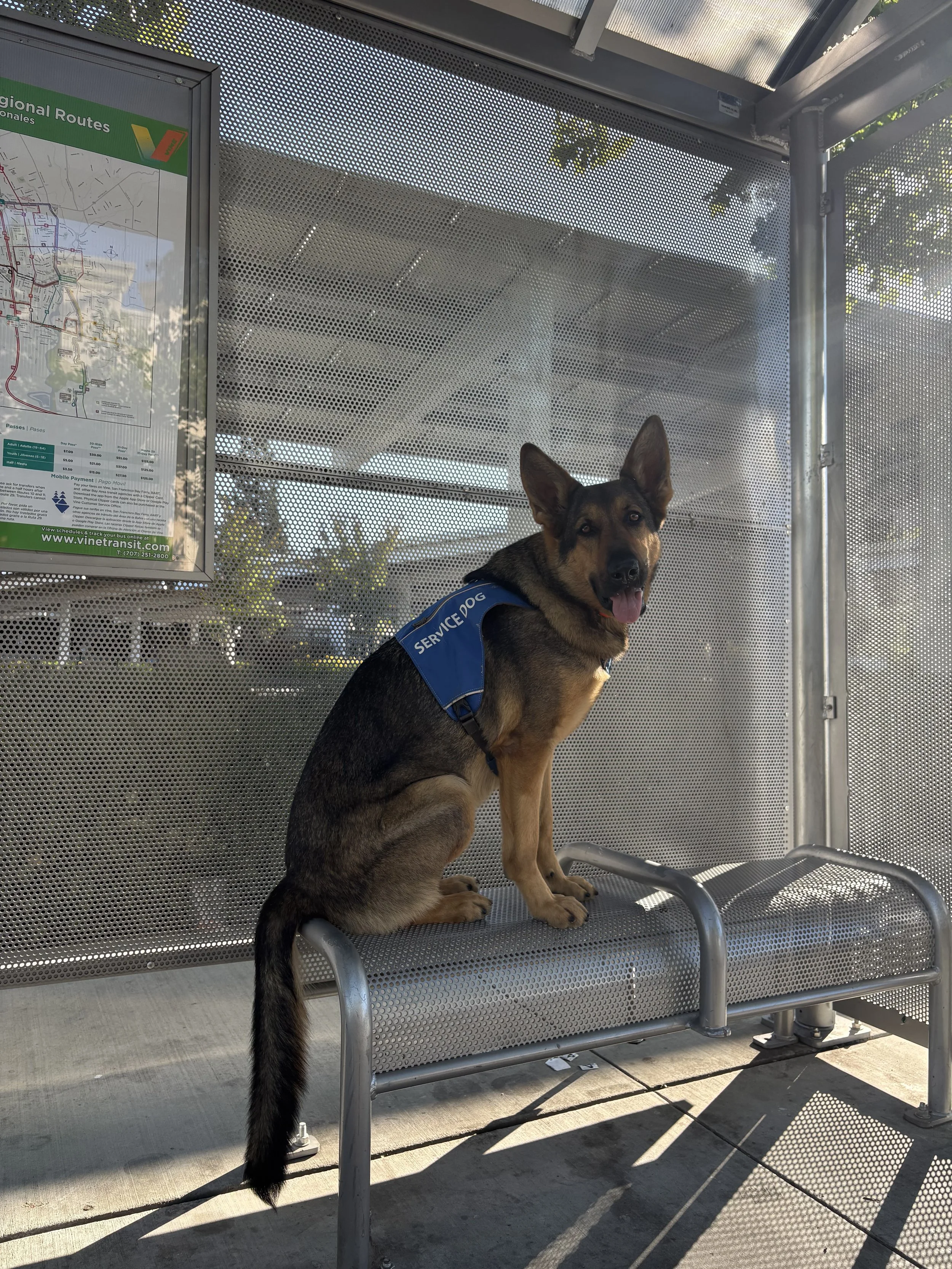
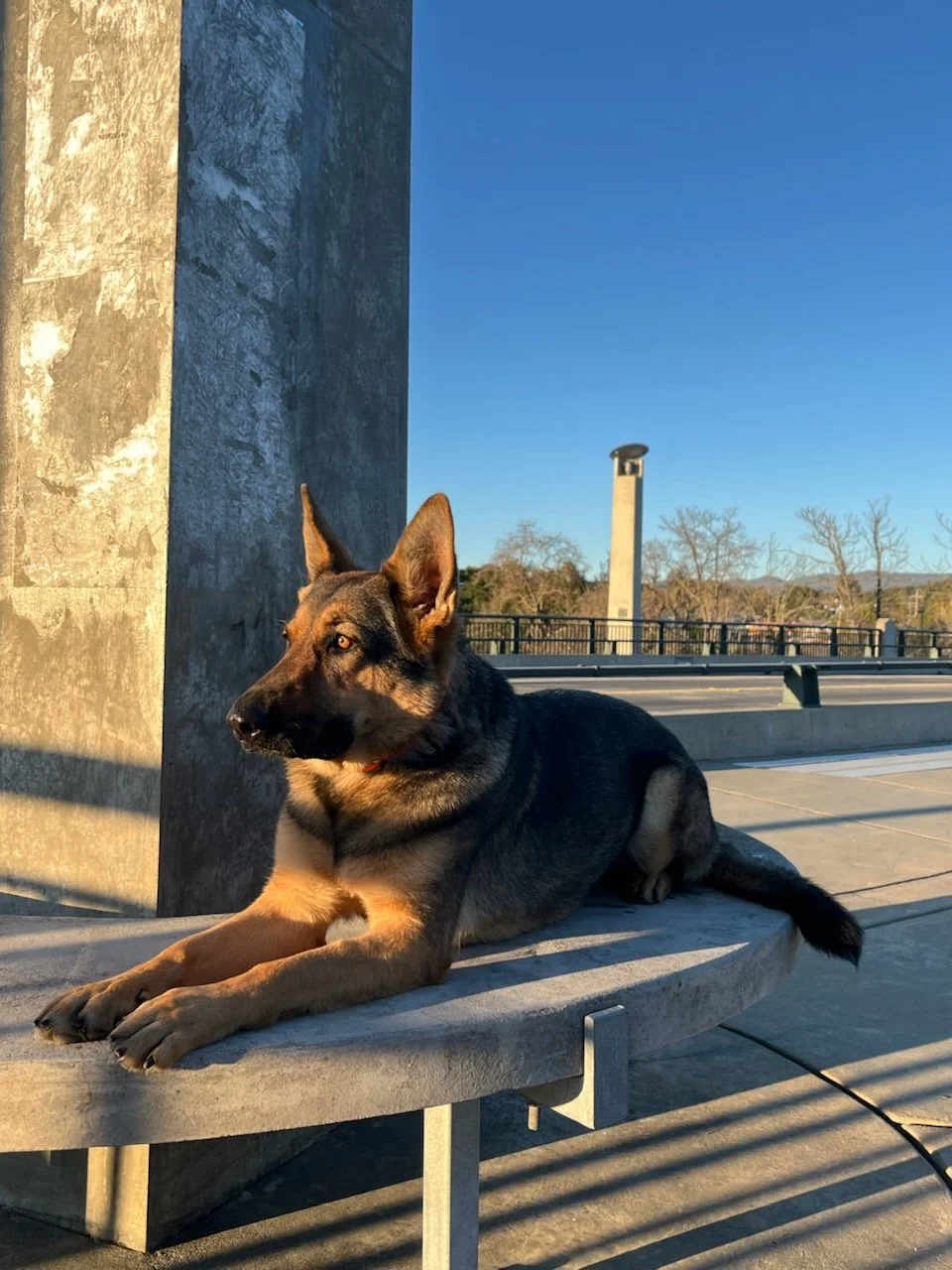
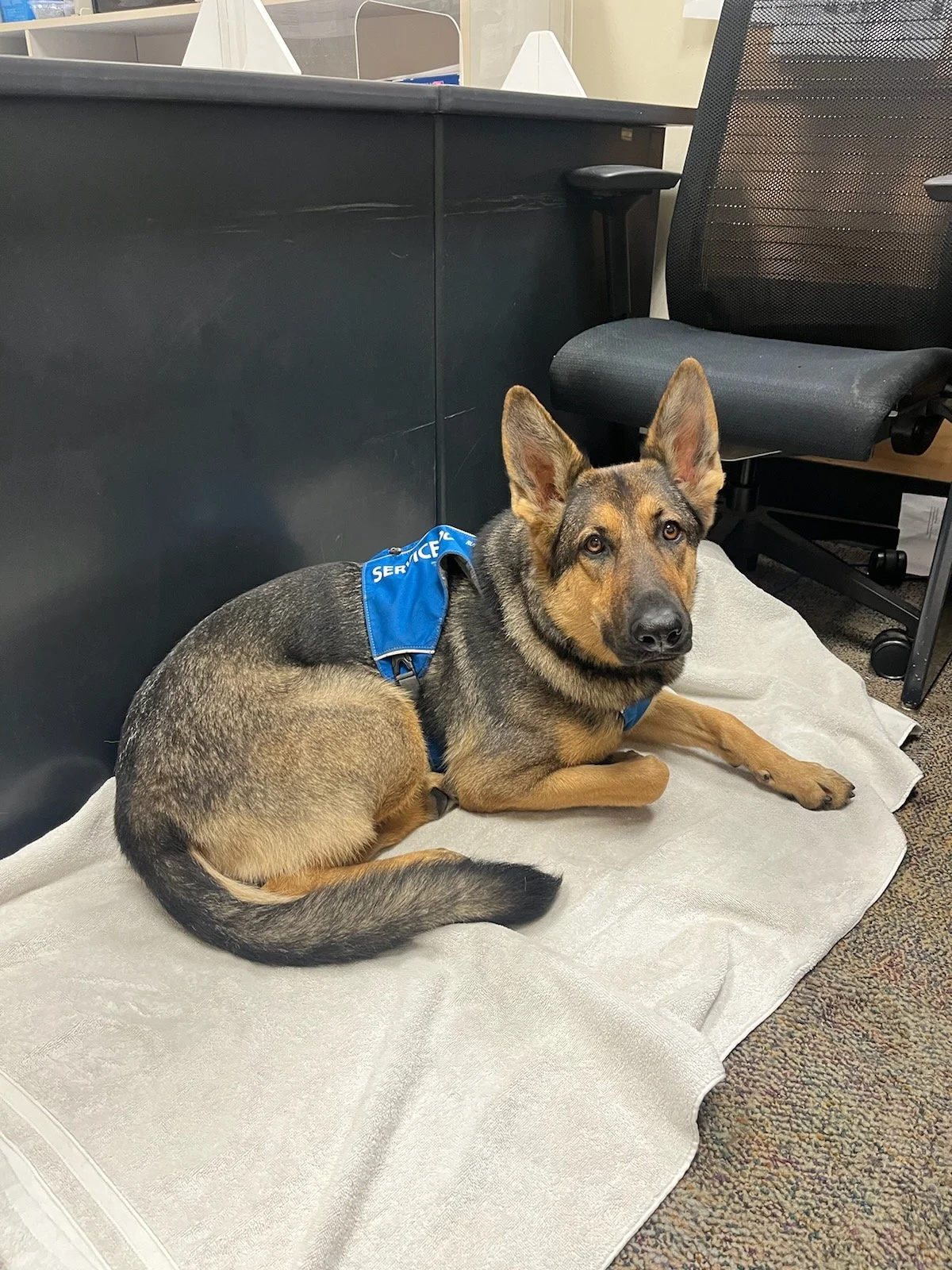
TILLY
Lorem ipsusm dolor
As a service dog team, they have legal rights under the Federal Service Dog Law which is part of the United States Department of Justice’s ‘Americans with Disabilities Act” (ADA).
for questions, please reach out to us directly: hello@stellinapsychiatricservicedogs.org
NAME Tilly
Breed German Shepherd
Gender Female, spay
Weight 74 pounds
Birthday January 3, 2024
Identification #STL.001
Microchipped Yes
Other Licensed in Napa County, CA
Inquiries hello@stellinapsychiatricservicedogs.org
the do’s and don’ts
( DO ) INTERACT WITH THE HANDLER, NOT THE SERVICE DOG ✅
if you need to interact with the service dog team in any way, be sure to speak directly to the handler. make eye contact with the handler and ignore the dog altogether. it may be tempting to want to pet or speak to the dog, but these things can be distracting for a working dog that has a job to do.
( DO ) RESPECT THE HANDLER’S PRIVACY ✅
while you may be curious about why someone might need a service dog, please don’t intrude on the handler’s privacy. whether their disability is obvious or it’s an “invisible” disability (PTSD, diabetes, etc.)—every person has the right to decide what they want to share about their disability and the role their service dog plays in their life. if they choose not to talk about it, make sure you’re respectful of their boundaries.
( DO ) THERE ARE ONLY 2 QUESTIONS YOU CAN LEGALLY ASK A SERVICE DOG TEAM ✅
if you do need to inquire about a service team because you are unsure if the dog is a service dog—these are the only two questions you may legally ask:
“Is this a service dog?”
“What specific task is this dog trained to perform?”
it is never acceptable to ask a person to describe their disability — and these two questions ensure you don’t illegally intrude on a person’s privacy. remember, service dogs are not the same as pet dogs and are allowed in places where pets are not allowed. this tip is especially helpful for business owners and employees who have a ‘no pets’ policy and want to quickly distinguish between service dogs and pets.
( DON’T ) TAKE PHOTOS, MAKE NOISES, OR DISTRACT THE DOG IN ANY WAY 🚫
Most people know to never pet a working dog, but did you know that it is also disrespectful and distracting to take photos or shout out when you see a service dog? Service dogs are considered a piece of medical equipment that must be focused on their handler at all times. Distracting a service dog in any way many cause the dog to miss important cues that could put the handler’s health and safety at risk. This means DO NOT approach, pet, offer treats, or engage with the service dog.
( DON’T ) SAY THAT YOU WISH YOU COULD TAKE YOUR DOG IN PUBLIC PLACES TOO 🚫
If you have a conversation with the handler, you should never say that you wish you could take your pet dog with you into public places too. It is important to recognize that the handler needs a service dog because they have a disability, not because they think having a dog in public is fun.
( DON’T ) ALLOW YOUR PET DOG TO INTERACT WITH A SERVICE DOG 🚫